What To Wear To Dunn's River Falls
Dunn's River Falls is a hands-on waterfall: you climb it in the water, in a group, holding hands with strangers on wet rock. What you wear decides whether that is a highlight of the trip or an hour of slipping and chafing.
Short answer
Wear a swimsuit under quick-dry shorts or a rash guard, closed-toe water shoes with real grip, and skip cotton entirely. Bring a towel, reef-safe sunscreen, a waterproof pouch, and dry clothes for after. Admission is US$25 for adults and US$17 for children aged 4 to 12, and the climb itself runs about 45 minutes to an hour.
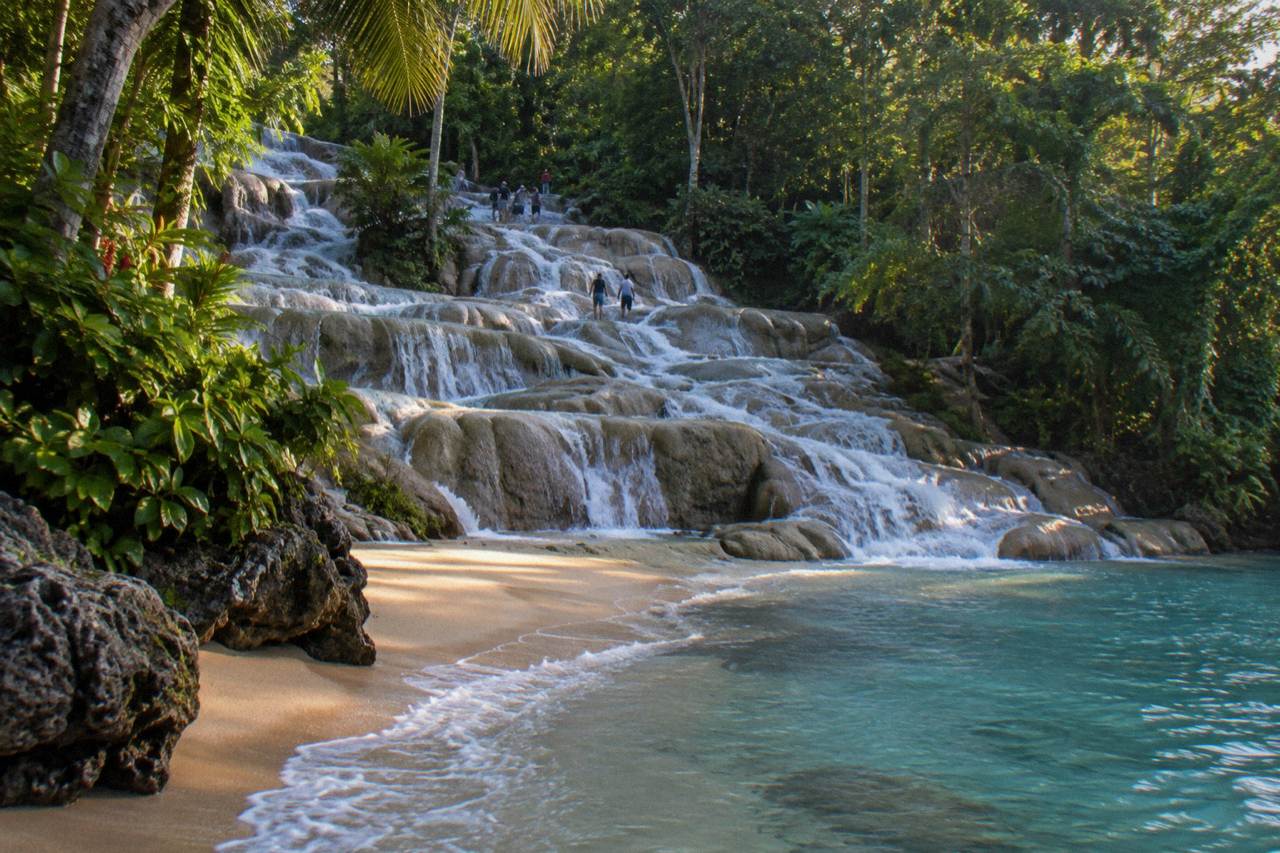
Dunn's River Falls in Ocho Rios is not a look-at-it waterfall. It is a terraced travertine climb that empties straight into the sea, and you go up it in the water, in a guided human chain, on rock that is polished smooth by decades of feet. Every packing decision you make, fabric, footwear, where your phone lives, either works with that or against it. If you're also working out whether you need a tour at all, our guide to visiting Dunn's River Falls on your own covers tickets, transport, and how a self-arranged trip compares.
The good news is that the list is short. The bad news is that the items people get wrong are the ones that matter most: shoes and cotton. This guide walks through exactly what to wear, what to carry in the water, what to leave in the vehicle, and how the answer shifts slightly depending on whether you booked a falls-only trip, a combo, or a beach-club day. If you want the short version on shoes and fabrics first, the focused guide to dressing for the falls climb covers exactly which footwear works and what to leave behind.
The park's own visitor FAQ recommends closed-toe water shoes with good grip, swimwear, a towel, sunscreen, a waterproof pouch and a change of clothes, and it notes shoes are sold at the falls but lines can be long. That is the backbone of everything below, expanded with what actually happens on a busy climb day.
What Should You Wear For The Climb Itself?
Wear a secure swimsuit as your base layer, covered by quick-dry shorts or a rash guard, with nothing loose, nothing cotton, and nothing you would be upset to lose. The climb takes 45 minutes to 1 hour base to top, you are in moving water the whole way, and the average visit from entrance to exit runs about 1 hour 30 minutes, so comfort beats style for that stretch.
Start with the swimsuit, and make it one that stays put. String ties and board shorts with no drawstring have a habit of rearranging themselves in the current, and you will be holding hands with a guide and fellow climbers rather than adjusting your outfit. One-piece suits, sports swimsuits, and shorts with a proper cord all work.
On top of that, a rash guard or quick-dry tee serves two purposes. It protects your shoulders from the sun during the walk up the park paths, and it keeps you warmer than bare skin in the freshwater pools. Synthetic fabrics, nylon, polyester, blends marketed for board sports, dry in minutes. Cotton does the opposite: it soaks, it gets heavy, it clings, and on a windy day it leaves you cold on the bus home. A plain cotton t-shirt is the single most common wardrobe mistake at this attraction.
For anyone not climbing, the same logic applies to the dry walk. Guests who prefer to stay dry can walk alongside the falls on steps and viewing decks after paying the entrance fee, and quick-dry clothing plus a hat covers that comfortably. Our step-by-step guide to climbing Dunn's River Falls covers what the route itself involves, which is worth knowing before you choose how much skin to cover.
Here is a short fabric comparison that saves most of the guessing:
| Clothing item | Best fabric | Why it works on the climb | Avoid |
|---|---|---|---|
| Base swimsuit | Nylon/spandex blend | Stays put in current, dries fast | Loose strings, metal clasps |
| Cover layer | Polyester rash guard | Sun protection plus warmth in pools | Cotton t-shirts |
| Shorts | Quick-dry board shorts with drawcord | Shed water, no chafe | Heavy denim or cotton joggers |
| Underwear | Synthetic sports fabric | No soggy cotton against skin | Cotton boxers, cotton briefs |
| After-climb outfit | Dry change of clothes | Comfort for the ride back | Wearing the wet suit home |
If you are already booked on the Ocho Rios falls tour, which runs 2 hours 30 minutes and lists towels, swimwear and water shoes as excluded, this table is effectively your packing list: the operator brings the vehicle, the entry ticket and a soda, and everything touching your body is on you. Check availability on the operator's live listing if you have not booked yet.
Do You Really Need Water Shoes?
Yes. Closed-toe water shoes with grippy soles are the one item the park itself recommends, and the limestone you climb is wet, sloped and polished. Shoes are sold at the falls, but the FAQ warns lines can be long, so bring your own. Rent or buy prices on site are not published in any reliable source, so ask on arrival rather than budgeting a guessed figure.
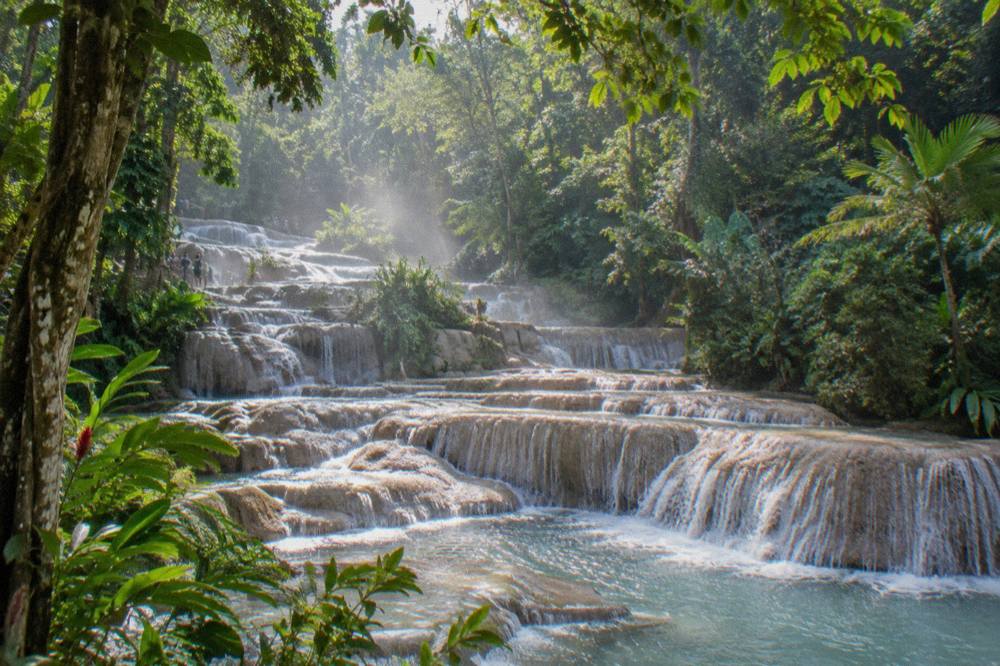
The rock terraces at Dunn's River are travertine, which sounds rough and is in places, but the sections thousands of climbers touch every year are burnished smooth. Flip-flops slide, bare feet slip, and ordinary sandals with open toes offer nothing when you need to push off a ledge. A shoe with a closed toe, a snug fit and a real rubber outsole is the difference between a fun scramble and a slow, anxious walk.
Several listings spell this out in their exclusions. The Ocho Rios falls tour and the popular Blue Hole and Dunn's River Falls tour both state that towels, water shoes and swimwear are not included, which is operator language for: this is your problem, solve it before pickup. The official park FAQ says the same thing from the other direction, recommending you bring shoes because purchase lines at the falls run long.
We have a full page on choosing Dunn's River water shoes with more detail, but the short version is below.
| Footwear type | Verdict for the climb | Notes |
|---|---|---|
| Closed-toe water shoes | Best choice | Grip on wet rock, drains and dries fast |
| Old trainers with tread | Acceptable backup | Will be soaked and sandy afterwards |
| Strapped sport sandals | Marginal | Works for some, less toe protection |
| Flip-flops | No | Slide on wet rock, easy to lose |
| Barefoot | No | Slippery, and urchin-smooth rock is unforgiving |
One more note: wear the shoes to the park rather than packing them. You will step into shallow water within minutes of starting, and changing shoes on a crowded deck with one hand on a railing is nobody's favourite moment.
What Should You Bring Into The Water With You?
As little as possible: a waterproof pouch for cash, cards and a phone if you want photos, and nothing else that cannot survive a dunk. Lockers are available to rent at the falls, and tour vehicles let guests leave items on board, so the standard move is a dry bag on your body and everything else locked away.
The climb puts your hands and waist in the water repeatedly. Anything in unsecured pockets, keys, phones, sunglasses, will at some point be in the water too, and not always while attached to you. A sealed pouch on a lanyard or clip handles the essentials. The park FAQ specifically recommends an underwater camera or a phone water protector, and that advice exists because enough people have lost phones to the pools that it became a FAQ entry.
Professional photographers follow climbing groups and offer photo packages afterwards at varying prices, so one honest option is to bring nothing at all and buy the photos. If you would rather shoot your own, a pouch with a touch-through window lets you film the terraces without exposing the phone. Whatever you choose, test the seal in a sink before the trip, not in a river.
For everything else, the split is simple:
| Item | Carry in water | Leave in locker or vehicle | Notes |
|---|---|---|---|
| Phone in sealed pouch | Yes | Alternative | Test the seal beforehand |
| Cash and one card | Yes, small amount | Most of it | Lockers rent at the falls |
| Towel | No | Yes | Needed immediately after |
| Dry change of clothes | No | Yes | The ride home reward |
| Passport and travel documents | No | Always | Never in the falls |
| Jewellery and watches | No | Leave at hotel | Slips off in current |
| Sunscreen (reef-safe) | Apply before | Rest of bottle | Reapply after climbing |
Lockers sit at the park entrance area, and their rental price is not verified in any current source, so ask at the desk when you arrive rather than relying on forum numbers. If you came on a booked tour, the driver will almost always let bags ride in the air-conditioned vehicle, which is both free and the fastest option.
How Do You Dress For Sun, Rain And The Beach At The Bottom?
Plan for strong Caribbean sun on the walkways, fresh water on the climb, and a saltwater beach at the base: reef-safe sunscreen applied before you enter, a hat and sunglasses for the decks, a rash guard for long exposure, and a quick-dry layer for the ride back. The park is open daily, 8:30 a.m. to 4:00 p.m. regular hours, 7:00 a.m. on cruise ship days, rain or shine.
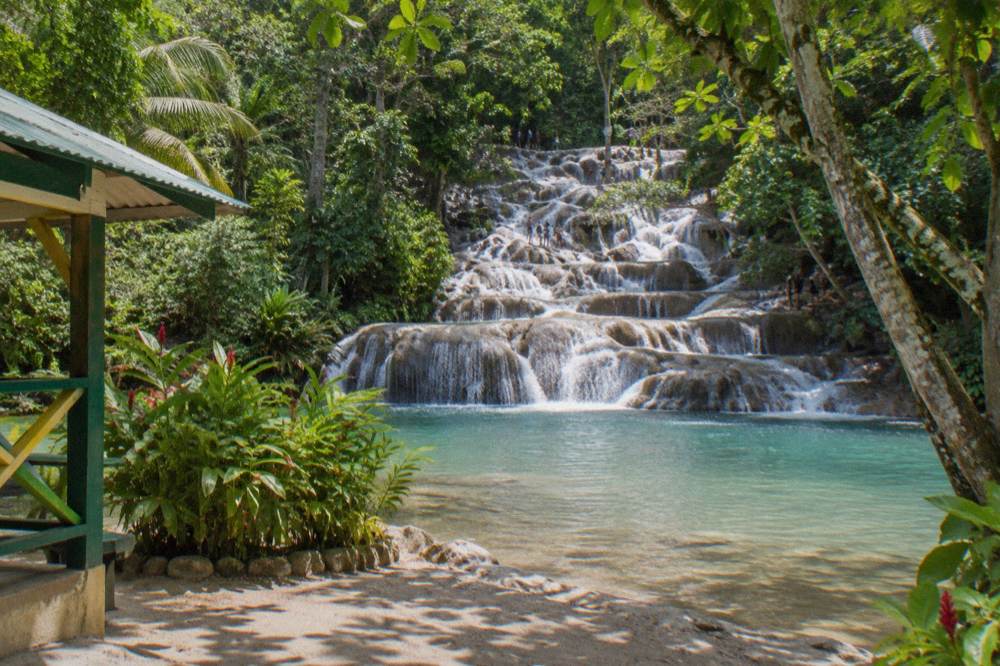
Dunn's River empties directly onto its own beach, so most visits end with a swim in the sea, and many people underestimate how much sun they absorb standing on the decks watching climbers. A hat you can secure, or one that lives in the pouch, plus sunglasses on a strap, covers the viewing time. For the beach, the swimsuit you climbed in is the swimsuit you swim in, which is another argument for a secure one.
Rain changes less than you would think. The climb happens in water anyway, and the park operates in all weather, opening 365 days a year. What rain does change is the walk back down and the drive back to your hotel, which is exactly what the dry change of clothes in the locker is for. Jamaica's US State Department advisory level is a separate, situational question, and our page on Dunn's River Falls safety tips deals with it directly.

One item that earns its place more than visitors expect: a light long-sleeve quick-dry top for after the climb. Mountain freshwater feels cold next to Caribbean air, and buses run air conditioning that would please a fishmonger. Guests in soaked cotton shiver the whole way back to Montego Bay, which can be a two-hour drive.
What Should You Not Wear Or Bring?
Leave cotton at the hotel, leave jewellery and watches off entirely, leave travel documents in the room safe, and do not count on buying or renting gear at the park on a busy day. Denim, heavy fabrics, string bikinis without a backup, and anything you cannot afford to lose are the consistent mistakes.
Jewellery deserves its own sentence. Rings loosen in cold water, bracelets catch on rock, and watches and rings slip off easily on the wet terraces, so leave jewellery behind before you start the climb. The same logic covers expensive sunglasses: bring the cheap pair, or use a strap.
Denim is the second recurring failure. Jeans soak, gain weight, chafe for the rest of the day, and never dry in a vehicle. If you are doing a shopping stop after the falls, as several combo tours include, wet denim in a shopping plaza is a miserable hour. Change first.
On food and drink, the park's own guidance does not address outside food, which is covered in our answer to whether you can bring food to Dunn's River Falls; the practical clothing-adjacent takeaway is that a packed lunch stays in the vehicle or gets skipped.
| Do not wear or bring | Why | Better alternative |
|---|---|---|
| Cotton t-shirts and denim | Soak, chill, chafe, never dry | Rash guard, quick-dry shorts |
| Jewellery, watches, loose sunglasses | Lost in the pools, unrecoverable | Hotel safe, strap on glasses |
| Passport and travel documents | Soaked or lost on rock | Phone photo of the ID page |
| Outside food and drink | Park rules unclear, leave it in the vehicle | Eat at the park or on the tour |
| Expensive camera without housing | One dunk ends it | Sealed pouch or buy photos |
| Flip-flops | Slide, lost, unsafe | Closed-toe water shoes |
Does What You Wear Change With The Tour You Booked?
Only a little, and mostly around what the operator supplies: falls-only tours leave every clothing item to you, combo tours add stops where dry clothes and footwear matter again, and beach-club packages mean you spend hours in swimwear rather than minutes, so cover-ups and a second dry outfit earn their space. The climb kit itself, shoes, quick-dry suit, pouch, never changes.
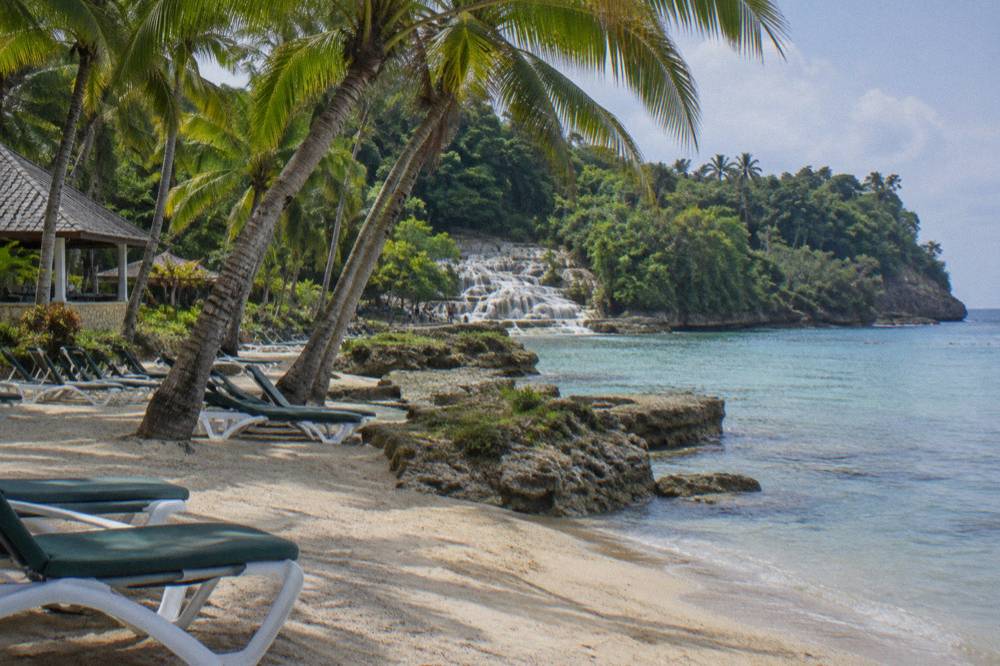
Read the inclusions and exclusions lines on your listing before packing, because they are the honest signal. The Blue Hole and Dunn's River combo from Ocho Rios, 4.9 from 446 reviews and from $89.72 per person, includes admission to both sites and a soda but excludes towels, water shoes and swimwear, so it packs like a falls-only trip with an extra water stop. The lunch-and-cocktails version at Reggae Hill, 4.9 from 317 reviews and from $159 per person, includes a beach chair, a four-course tapas lunch and house beverages, which tells you the back half of that day is a beach club: a cover-up, flip-flops for the chair (worn only after the climb), and sun protection become the important items.
Longer days from Montego Bay, Falmouth or Negril add drive time, up to 11 or 12 hours on the Negril departure, and drive time means air conditioning and evening air. A dry outfit in the vehicle stops being a nicety and becomes the difference between a pleasant ride and a cold one. If your day includes a catamaran leg, the same sealed-pouch logic applies on deck as on the falls.
The pattern to notice: operators quote what they carry, and everything worn is yours. Our broader comparison of Dunn's River Falls tour options shows how the packages differ; the wardrobe advice stays constant across all of them.
What Is The Full Packing Checklist?
One secure swimsuit worn as a base, quick-dry shorts and a rash guard, closed-toe water shoes on your feet, a towel, reef-safe sunscreen, a sealed pouch for phone and a little cash, a dry change of clothes and footwear left in the locker or vehicle, and nothing cotton, nothing precious and nothing loose. That single list covers the climb, the beach and the drive home.
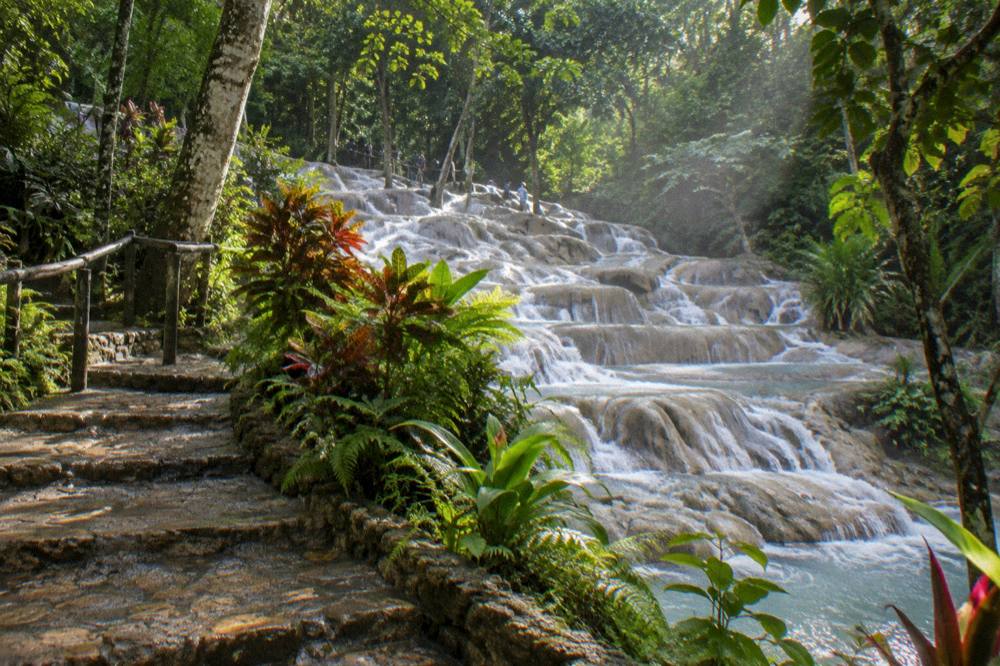
Print it, screenshot it, or read it to whoever holds the suitcase. The list is deliberately short, because every extra item is one more thing to store, guard or dry.
Dunn's River Falls is a working waterfall in a public park run by the Urban Development Corporation, and the climb has been operating this way for generations, in guided groups, hand in hand, from the sea to the top. What you wear does not change the falls. It only changes how much of your attention is free to enjoy them.
Common Questions About What To Wear To Dunn's River Falls
Can I Climb Dunn's River Falls In Regular Sneakers?
You can, and many people do, but they will be soaked and sandy afterwards. An old pair of trainers with decent tread works as a backup. Closed-toe water shoes are the better tool because they drain and dry; the park recommends them, and busy-day lines to buy shoes on site run long.
Can I Buy Or Rent Water Shoes And Towels At The Falls?
Water shoes are sold at the park, and lockers are available to rent. Prices are not published in any reliable current source, so ask on arrival. Towels are not supplied by the park or by most tours, and several listings explicitly list towels as excluded, so bring your own.
Should I Wear My Swimsuit There Or Change At The Park?
Wear it under your clothes. Changing facilities exist but are busy at peak times, and arriving dressed means you walk from vehicle to guide in minutes, which matters on cruise-ship mornings when the park opens at 7:00 a.m.
Is There A Dress Code For The Dry Walk Instead Of Climbing?
No code, only practicality. The dry walk runs alongside the falls on steps and decks, so ordinary hot-weather clothing, a hat and grippy sandals are fine, though you may still get splashed near the viewing points.
What Do I Do With My Phone And Money During The Climb?
Put them in a sealed waterproof pouch on a lanyard, leave them in a rented locker, or leave them in the tour vehicle, which most operators allow. On-site photographers sell photos afterwards if you would rather carry nothing.
Do Kids Need The Same Gear As Adults?
Yes, with more emphasis on the shoes. The park states there is no age restriction but suggests age 7 as a reasonable minimum for the climb, and children need closed-toe water shoes and a secure swimsuit just as adults do. Child admission is US$17 for ages 4 to 12.